What plumbing problems require immediate repair?
A burst pipe requires immediate repair because uncontrolled water can damage the building and nearby contents. Overflowing toilets, failed water shutoffs, severe drain backups, and active leaks also need prompt assessment. Shut off water if it’s safe, avoid wet electrical areas, and keep the affected space clear. The right repair depends on the failed part and the source of the flow.
How does the first site check work for an urgent leak?
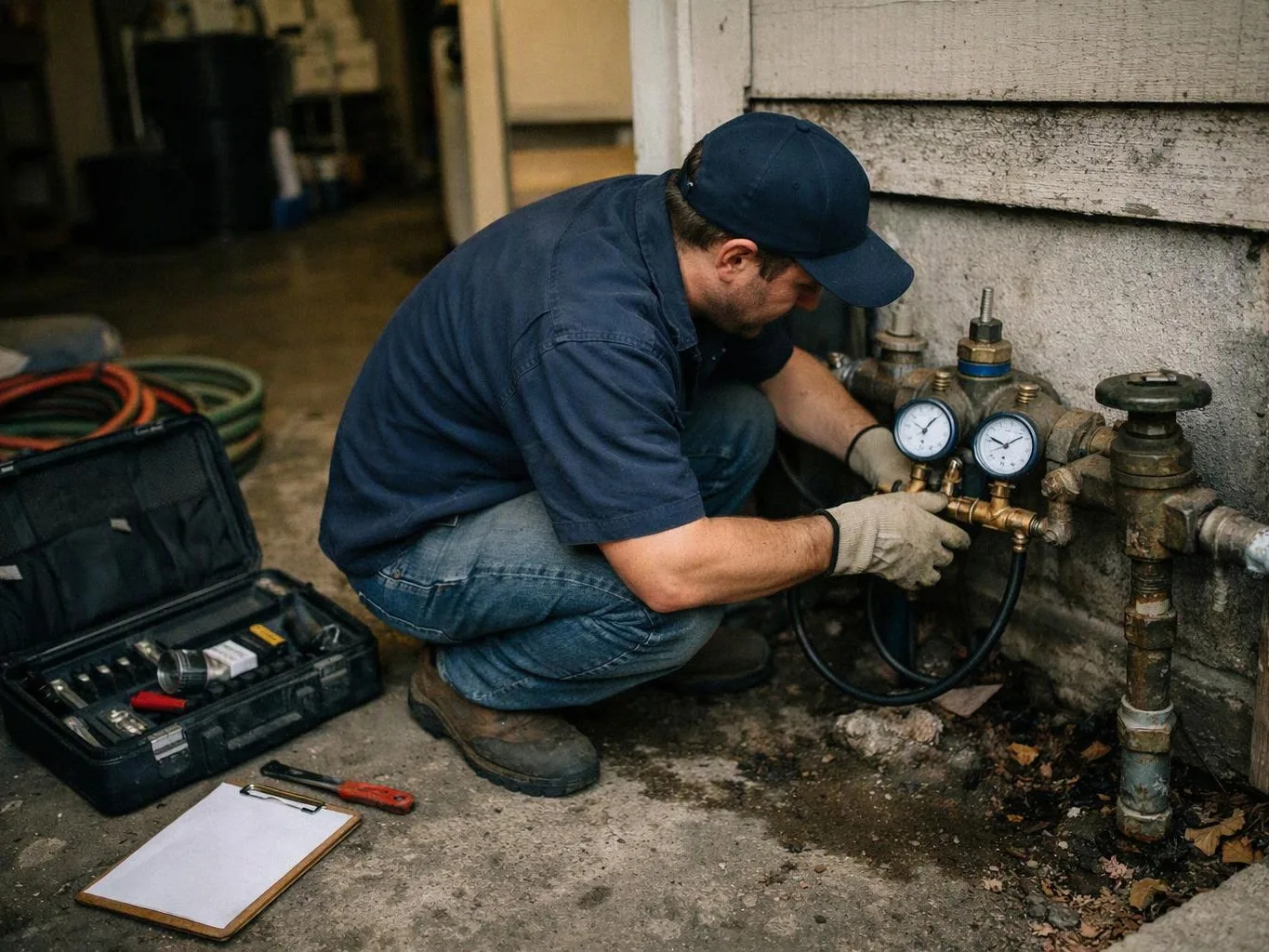
The first site check identifies the active water source and the safest shutoff point. We then inspect visible pipe, fittings, valves, fixtures, and nearby damage. Leak detection may help when the source is hidden. Findings guide the repair scope, parts, access needs, and estimate before the work starts.
Which details change the repair price for a burst pipe?
A burst pipe’s repair price changes with pipe location, access, damaged fittings, replacement materials, and related water exposure. Work behind finished walls or below fixtures can require more access than an exposed pipe. An upfront estimate sets out the proposed scope before repairs begin.
When should I request help for an overflowing toilet?
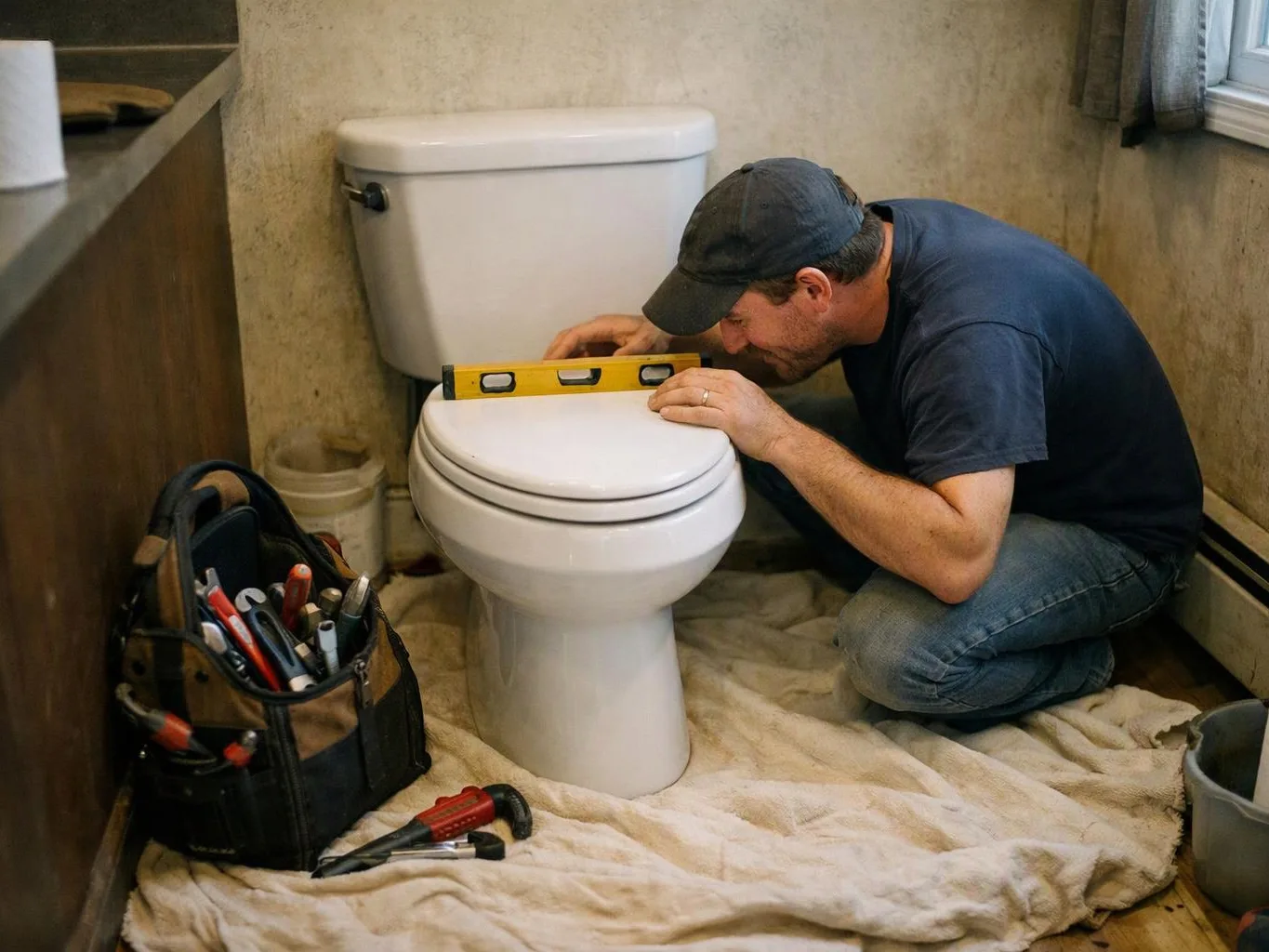
An overflowing toilet needs help when the bowl keeps filling, wastewater appears, or plunging doesn’t restore drainage. Close the fixture shutoff if it works, and stop using nearby fixtures until the drain path is checked. The assessment can separate a toilet fault from a main line blockage.
What should I prepare before an emergency plumbing visit?
Clear access to the affected fixture, main water shutoff, crawl space, or service area before the visit. Photos of visible water, damaged pipe, or warning signs can help explain the issue. Keep electrical hazards dry and don’t force a stuck valve. The inspection still determines the repair scope.
Who provides emergency plumbing repair for commercial properties?
PlumbingAuburnwa.com provides emergency plumbing repair for commercial properties and homes. Our team assesses leaks, drainage failures, shutoff problems, and damaged fixtures. Property managers should identify the affected area, preserve access, and note any business operations that depend on the fixture. We explain the repair options before work begins.
Why does a drain keep backing up after it clears?
A drain that keeps backing up may have a deeper restriction, a damaged pipe, or a main line problem. Repeated plunging doesn’t identify the cause. We check the affected fixtures and drain path, then consider main line snaking or further inspection when the findings support it.