Skip to content

Leak Detection in Auburn, Washington

Hidden water leaks can damage floors, walls, and ceilings before signs become clear. We trace the source and explain the repair options.

5 · 13 ReviewsLicensed & InsuredWarranty AvailableSame-Day Service
Leak Detection helps Auburn homeowners, contractors, and custom home clients find hidden water loss before damage spreads. At PlumbingAuburnwa.com, we inspect the plumbing system, identify the likely source, and explain what should happen next. Wet spots, running water sounds, low pressure, and rising water use can all point to a leak. We provide an upfront estimate before authorized work begins.

Types of Leak Detection We Handle

Gas Leak Detection

Gas Leak Detection addresses suspected gas escaping from a fuel line, appliance connection, or fitting. Tell us if you smell gas, leave the area, and contact the gas utility for the gas emergency before arranging plumbing work.

Our Track Record

Average Rating
5
Customer Reviews
13

What finding the source changes for your property

You get a repair decision based on the leak source, affected pipe, and access needed.

Early tracing helps limit unnecessary wall or floor opening when the source is not visible.

A documented finding gives homeowners, contractors, and custom home clients a clearer basis for repair planning.

What Leak Detection Covers

Leak Detection is a plumbing service that locates hidden water loss and identifies the damaged part or connection.
  • Leak Detection differs from leak repair because detection confirms the source before we choose a repair path.
  • The service covers residential and commercial plumbing systems throughout the stated service area.
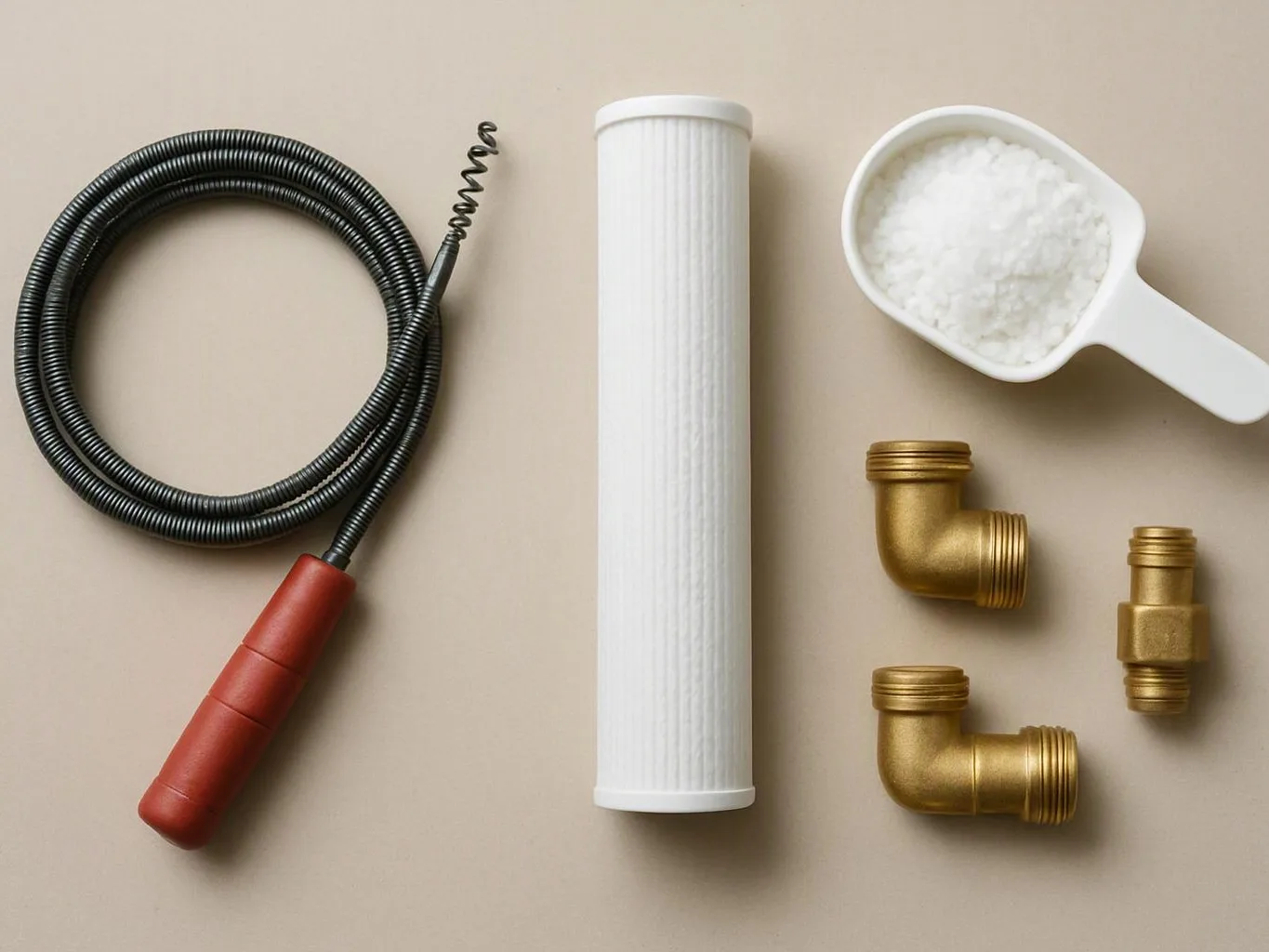
A drain snake, filter cartridge, scoop of salt, and brass pipe fittings sit on a beige surface
About

How hidden water leaks are traced and assessed

Leak Detection starts with the symptom and the part of the property it affects. We inspect visible plumbing, fixtures, pipe connections, and nearby surfaces to separate a supply leak from a drain problem or fixture fault. The source may sit behind a wall, below a floor, or near a water heater. We use the findings to explain the likely repair scope, access needs, and material concerns. The goal is to stop repeated damage by addressing the cause, not only the wet surface. Risk grows when a leak stays hidden. Moisture can affect drywall, flooring, insulation, and stored items, while a small pipe fault can become a larger repair. Our strongest recommendation is to investigate recurring moisture before repainting or closing the area.

Process

The steps behind a useful leak finding

1

Review the visible warning

We note wet spots, sounds, pressure changes, fixture use, and areas where moisture returns.

2

Inspect connected plumbing

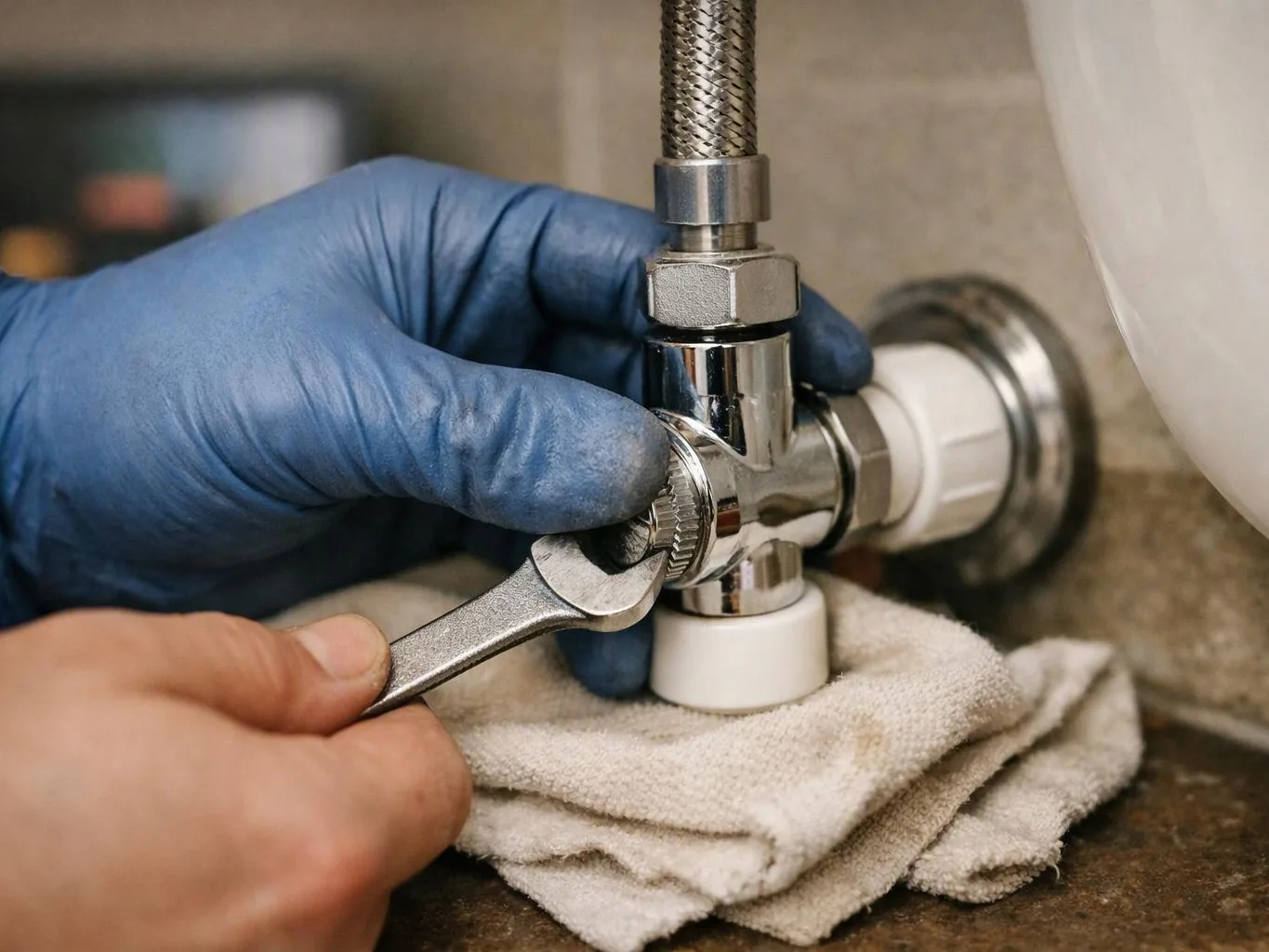
We check fixtures, supply lines, valves, water heaters, exposed pipe, and nearby surfaces to narrow the source.

3

Trace the hidden path

We follow the likely water route and assess concealed areas without opening walls or floors before the evidence supports that step.

4

Explain the repair scope

We provide detailed findings, an upfront estimate, and options for repair, replacement, or further inspection.

5

Test the completed work

After authorized repair work, we test the affected plumbing and leave the work area clean.

What to prepare before leak tracing

A few details can help us focus the inspection on the right part of the plumbing system.

  • Mark the first place where you noticed moisture or staining.
  • Note when the sound, dampness, or pressure change appears.
  • Clear access around the main water shutoff and visible fixtures.
  • Take photos of wet spots, damaged finishes, or returning stains.
  • List any recent plumbing work, remodel activity, or fixture changes.

Our Standard

Clear Pricing

We provide a clear price before authorized leak detection or repair work begins.

System Inspections

We inspect connected plumbing to identify leaks, blockages, and damaged components around the reported symptom.

Clean Completion

We test completed plumbing work and leave the inspected or repaired area clean.

Customer Reviews for Leak Detection in Auburn

5(13 Customer Reviews)View our Google Business Profile
tracy dunbar
tracy dunbar
Local Guide9 months ago
Verified on Google
Great service, good quality and you can't beat their pricing.
Michael Melvin
Michael Melvin
a year ago
Verified on Google
Incredibly polite service. Answering all my questions. Done in a timely manner.
Shannon Fell
Shannon Fell
7 months ago
Verified on Google
Ryan was very helpful. Professional. Expedient. Knowledgeable and flexible. Took care of everything we had going.

Questions about finding hidden plumbing leaks

How do you find a leak in a water line?

Water-line leaks are found by linking visible symptoms with system checks and the suspected pipe path. We review pressure changes, damp areas, fixture use, and exposed connections before choosing a tracing method. Acoustic leak detection, thermal imaging, or a pressure test may help when the pipe is concealed. The findings show whether a spot repair or broader plumbing work fits.

What makes the cost of tracing a water leak change?

Leak location, access, pipe material, system complexity, and the damage already present shape the work required. A leak behind a finished wall needs a different inspection path from an exposed valve or fixture connection. We explain the scope and provide a clear price before authorized work begins. The stated dispatch fee applies to technician visits, but we waive it when work is completed the same day.

Can hidden leaks be found without opening walls?

Non-invasive checks can often narrow a hidden leak’s location before any wall or floor opening. We use visible evidence, pressure behavior, acoustic listening, or thermal differences when those methods fit the system. No method confirms every leak from the surface alone. If access is needed, we explain why and identify the smallest practical area to inspect.

What should I do before a leak inspection?

Protect belongings, record the first visible symptom, and keep access clear around shutoffs and fixtures. Useful details include when moisture appears, whether water use changes it, and whether another repair came first. If water is spreading, shut off the nearest safe valve and avoid electrical areas. Photos can help us compare the symptom with our findings.

When does a recurring leak need another inspection?

A recurring leak needs another inspection when moisture returns after a repair or appears in a new nearby area. The first repair may have addressed a fitting while the connected pipe or water path still has a fault. We check the repaired area and related components, then explain whether another spot repair, replacement, or wider review is appropriate.

Who provides leak detection for homes and businesses in Auburn?

PlumbingAuburnwa.com provides leak detection for residential and commercial properties in Auburn. We also serve Issaquah and North Bend. Our licensed and insured plumbing professionals inspect the system, explain the findings, and provide service options suited to the property. We handle everyday calls, contractor projects, custom homes, and remodel work.

Key Points About Leak Detection

  • A visible stain may sit away from the actual leak source.
  • Pressure changes can point to concealed supply problems.
  • Acoustic and thermal checks help narrow hidden leak locations.
  • A clear finding supports the choice between spot repair and replacement.
  • Testing after repair helps confirm the affected plumbing is working.
Contact

Request A Leak Detection Estimate In Auburn

Share the symptom and property details for an estimate, and urgent requests get priority scheduling.
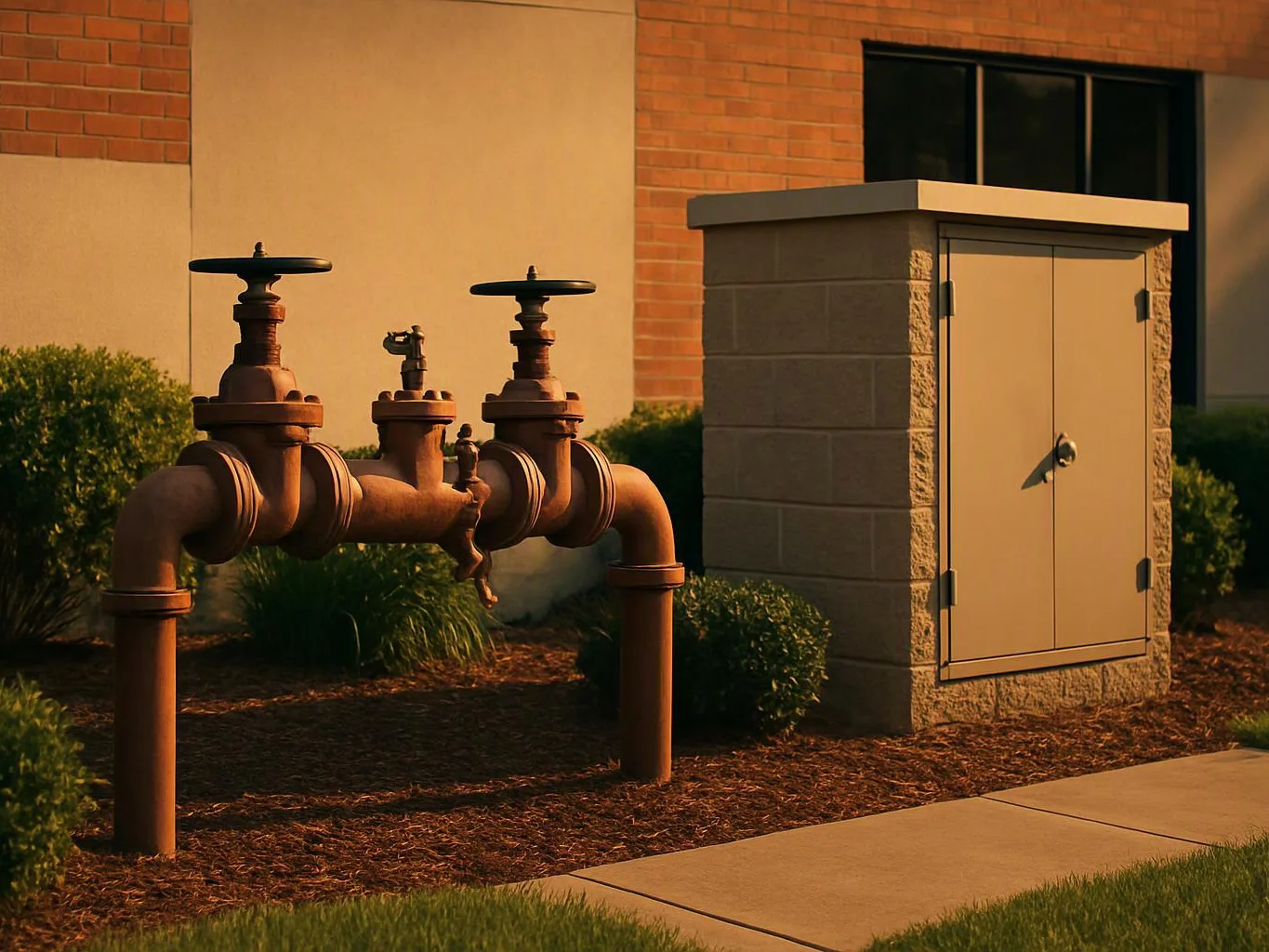
Rusty industrial pipes and valves stand beside a beige utility cabinet outside a brick building
Scenarios

When Customers Call Us About Leak Detection

1

Water Mark Returns On The Ceiling

A ceiling stain that dries and returns can point to a concealed supply line, drain connection, or fixture above. The visible mark may not sit below the source, so access and water-use details matter. Photograph the area, protect nearby items, and avoid closing the ceiling until we trace the path and explain the repair scope.

2

Pressure Drops Across The Home

A sudden pressure change can affect showers, faucets, and appliances at the same time. A hidden leak is one possible cause, while a valve or supply issue can create a similar sign. Note which fixtures change and whether the problem continues when water is off. We can then inspect the system and separate the likely causes.

3

Recurring Moisture After A Spot Repair

Moisture that returns after a small repair suggests the first fix may not have addressed the full source. The failed joint, nearby pipe, or water path needs another look before finishes are restored. Keep the area open where safe, record when dampness appears, and share the earlier repair details so we can compare the new evidence.
Our Other Services

Drain CleaningSlow sinks and backed-up showers usually point to buildup inside the drain line. We clear hair, grease, and soap deposits from traps and branch drains, restoring normal flow.
Sewer Line RepairA cracked sewer pipe can cause backups, wet spots, or foul odors around the property. We repair damaged sections, faulty joints, and root entry points to restore reliable waste flow.
Hydro JettingHeavy grease, scale, and root growth can resist ordinary drain cleaning. Hydro jetting sends high-pressure water through the sewer line, breaking deposits apart and washing the pipe interior clear.
Water Heater RepairCold showers, rusty water, or a leaking tank point to water heater trouble. We diagnose heating elements, thermostats, anode rods, relief valves, and tank connections before recommending repair.
Water Heater InstallationA planned water heater installation should match household demand and available utility connections. We install tank units with proper water, drain, relief valve, and fuel connections.
Water Heater ReplacementA leaking or unreliable tank can leave the home without dependable hot water. We replace failing water heaters, reconnect the water lines, and verify temperature and safety controls.
(425) 475-3519