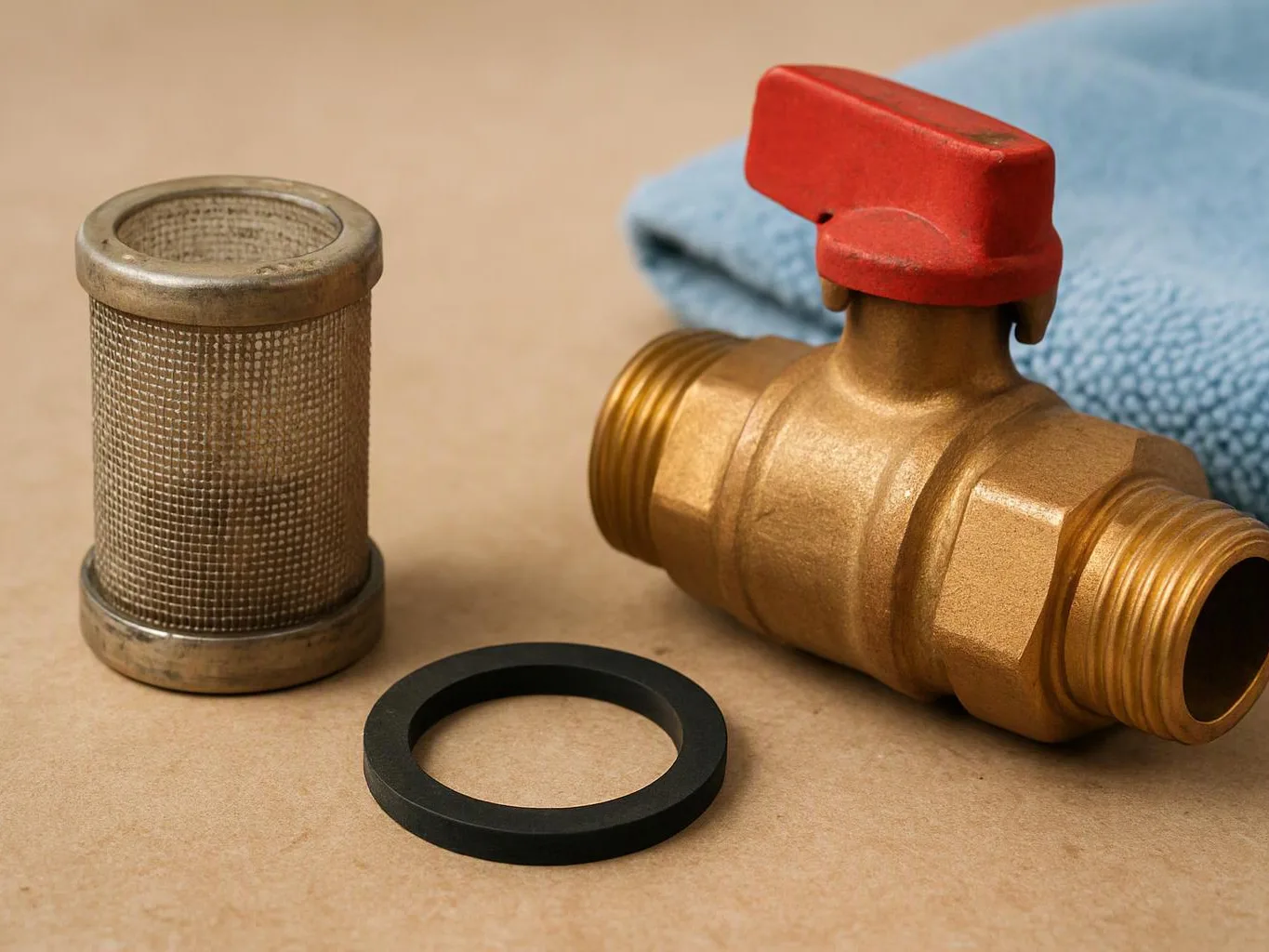
Inspect the existing setup
We check the current heater, shutoff valve, water lines, drain path, access area, and signs of corrosion or leakage.
We install water heaters for homes, remodels, contractors, and commercial properties. Our team uses flat-rate pricing and explains each replacement option before work begins.
Tankless Water Heater Installation sets up an on-demand heater for properties that want a different hot water system. We review space, water connections, fuel or electrical needs, and the property’s demand before explaining whether this option fits. The work covers installation-specific connections and testing, while ongoing maintenance remains a separate service.
A replacement removes a failing tank or heater from daily use and restores a dependable source of hot water.
A planned installation gives you a clear choice between repairing the existing unit and replacing it.
A checked discharge line and shutoff valve help protect floors, walls, and nearby equipment from avoidable leaks.
Water Heater Installation is a plumbing service that connects a new or replacement heater to the property’s water, power, fuel, and discharge lines.
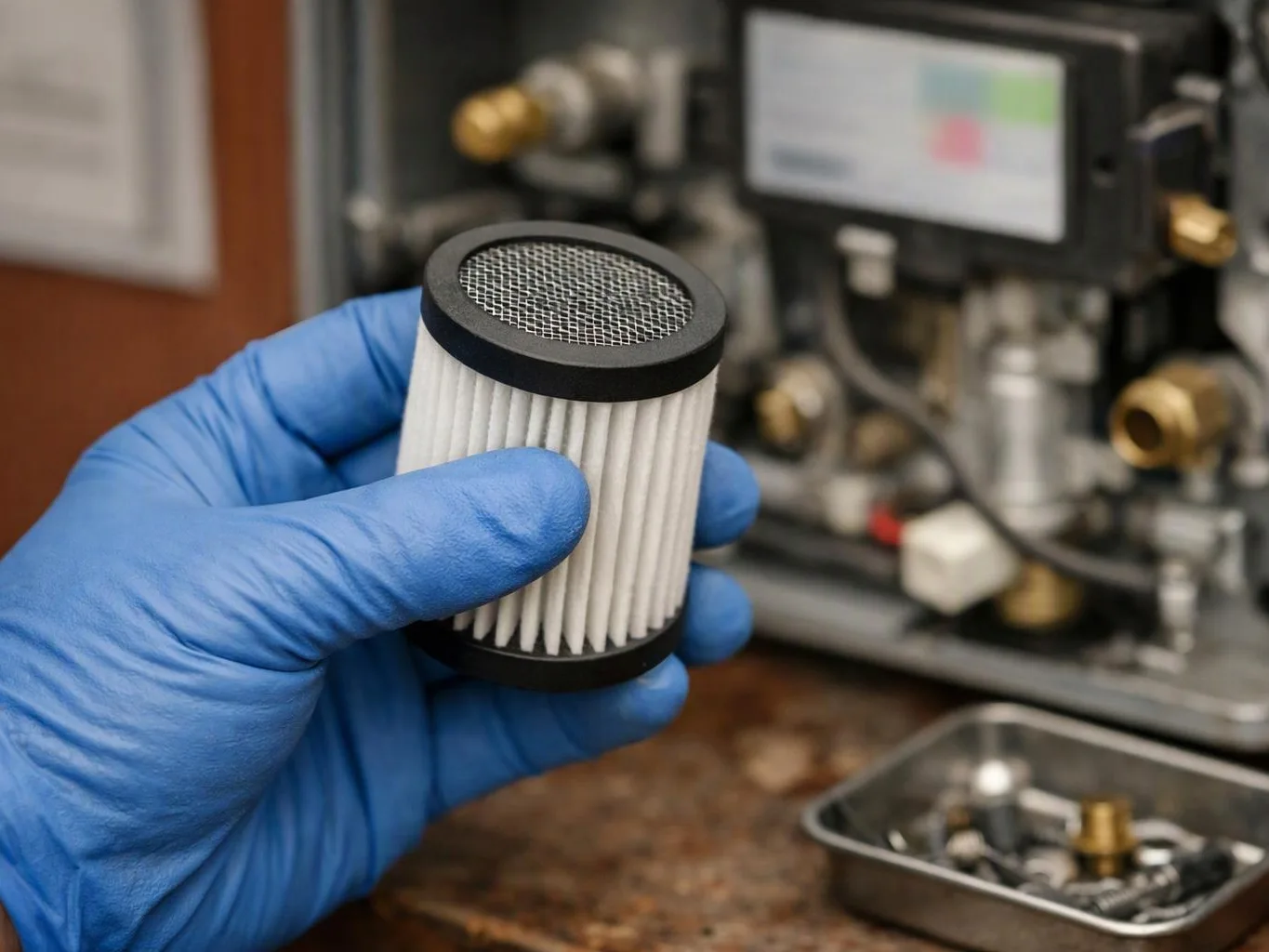
Water heater installation includes selecting a suitable unit, placing it safely, connecting water lines, and checking the discharge path. The work also covers the shutoff valve, temperature controls, drain connection, and fuel or electrical connections that apply to the system. A replacement decision depends on the unit’s condition, available space, hot water demand, and the condition of nearby piping. We look for damaged valves, poor connections, leaks, corrosion, and signs of past water damage before setting the new heater. Our deeper focus is failure prevention. A loose fitting can leak after the job, a blocked discharge path can create a safety issue, and a poor connection can limit performance. We test the finished system and leave the work area clean.
We check the current heater, shutoff valve, water lines, drain path, access area, and signs of corrosion or leakage.
We explain the unit choice, connection needs, property access, and work scope before authorized work begins.
We set the heater in place and connect the water, drain, fuel, or electrical lines that apply to the installation.
We check for leaks, confirm the controls work, test hot water delivery, and inspect the completed connections before leaving.
These steps help us inspect the current setup and plan the installation safely.
We provide a clear price for the heater installation and authorized connection work before the job begins.
We test water connections, controls, hot water delivery, and the work area before completing the installation.
We replace or install water heaters and connect the required plumbing parts for the property’s planned use.

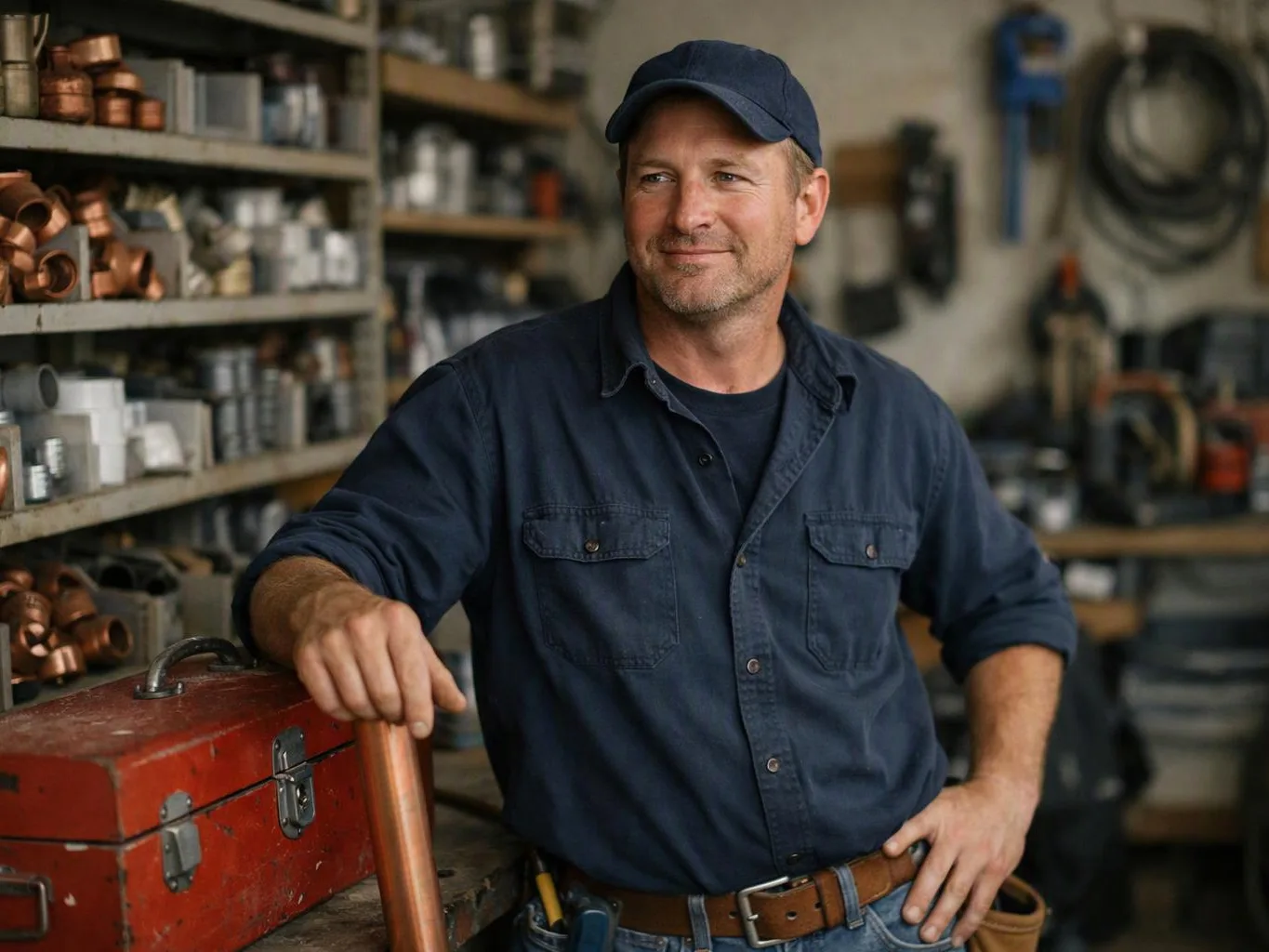
Ryan was very helpful. Professional. Expedient. Knowledgeable and flexible. Took care of everything we had going.

Great service, good quality and you can't beat their pricing.

Incredibly polite service. Answering all my questions. Done in a timely manner.
Access to the heater, water shutoff, drain path, and nearby connections helps us inspect the job.
These details help us plan the installation and check the finished system.
Tell us about the heater, property, and installation needs, and urgent requests get priority scheduling.
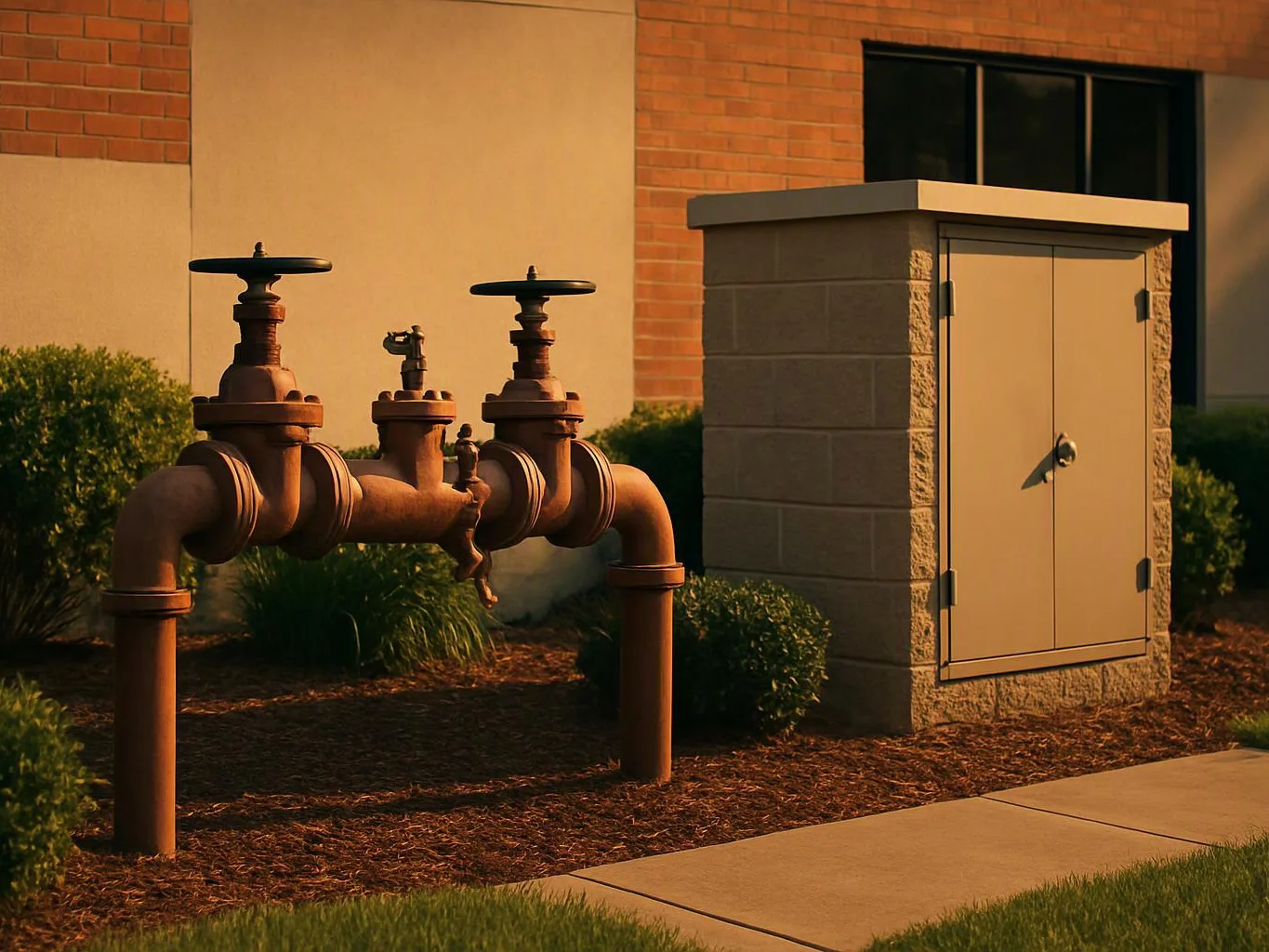
Water around a tank can come from a valve, connection, or failed tank wall. Finished flooring and nearby cabinets make the source and shutoff access important during installation planning. Turn off the heater and water supply if it’s safe, then remove nearby items and request an inspection. We’ll identify the leak path and explain the repair or replacement scope.
A remodel can change how much hot water the property needs and where the heater can sit. Cabinet depth, service access, pipe routes, and drain placement all affect the installation. Share the remodel layout and expected use before work starts. We’ll review the space, connection needs, and suitable installation options for the project.
Hot water that fades too soon can point to a failed control, heating part, sediment, or a unit that no longer fits the property. Repeated resets won’t explain the cause or protect the system from another failure. Record the symptoms, avoid opening electrical or fuel panels, and schedule an inspection. We’ll test the heater and outline the next practical step.