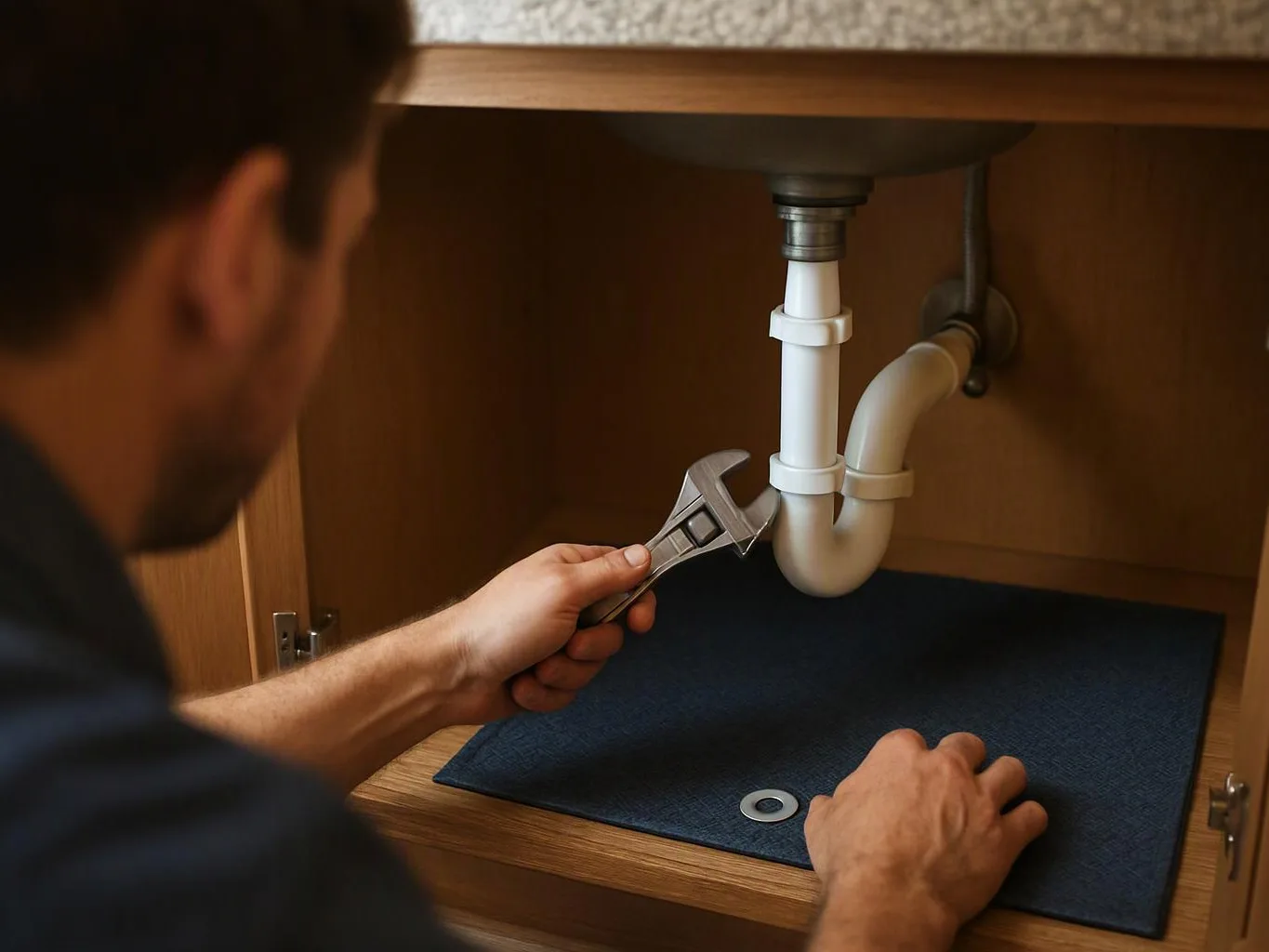
Pipe Repair vs. Repiping: Comparing a Local Fix With a Larger Project in Auburn, Washington
Pipe repair suits an isolated, accessible problem, while repiping replaces a larger portion of the plumbing system. PlumbingAuburnwa.com can inspect the leak, explain the options, and prepare a quote based on the pipe condition and project scope.
Request an EstimateWhat’s the Difference Between Pipe Repair and Repiping?
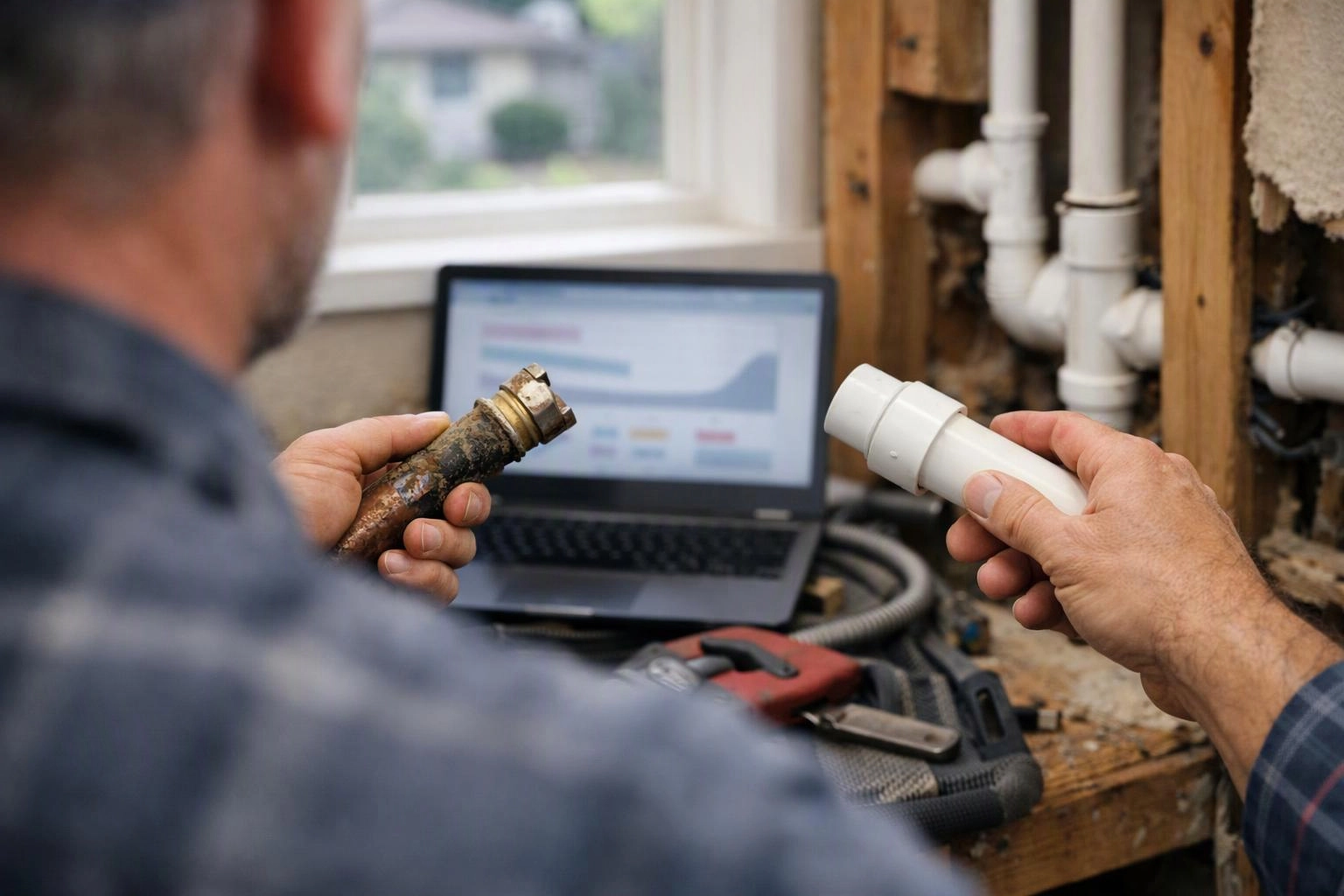
Pipe repair fixes a defined damaged section, while repiping replaces multiple connected pipes or a larger plumbing system.
A pipe leak may come from one pipe joint, a damaged pipe section, or localized corrosion. Repiping addresses a broader pattern across the plumbing system, such as repeated failures or widespread deterioration.
Our team uses the leak location, pipe condition, and repair access to decide which plumbing project fits the home.
Pipe Repair vs. Repiping at a Glance
Pipe repair usually has a narrower scope and lower project disruption. Repiping addresses broader pipe condition problems and may involve more access and restoration work.
| Factor | Pipe Repair | Repiping |
|---|---|---|
| Repair scope | One defined pipe section or joint | Multiple connected pipes or a larger system |
| Cost drivers | Access, pipe material, and localized labor | Pipe network size, access, connections, and restoration |
| Project disruption | Usually narrower and lower | Usually broader and higher |
| Maintenance | Surrounding pipes still need observation | New supply pipes can reduce repeated repair concerns |
| Best-fit application | An isolated leak with serviceable nearby pipes | Multiple leaks or widespread deterioration |
Our team explains the project scope before work begins. We also identify which fixtures, walls, floors, and shutoff valves may need access.
When Is Local Pipe Repair the Better Choice?
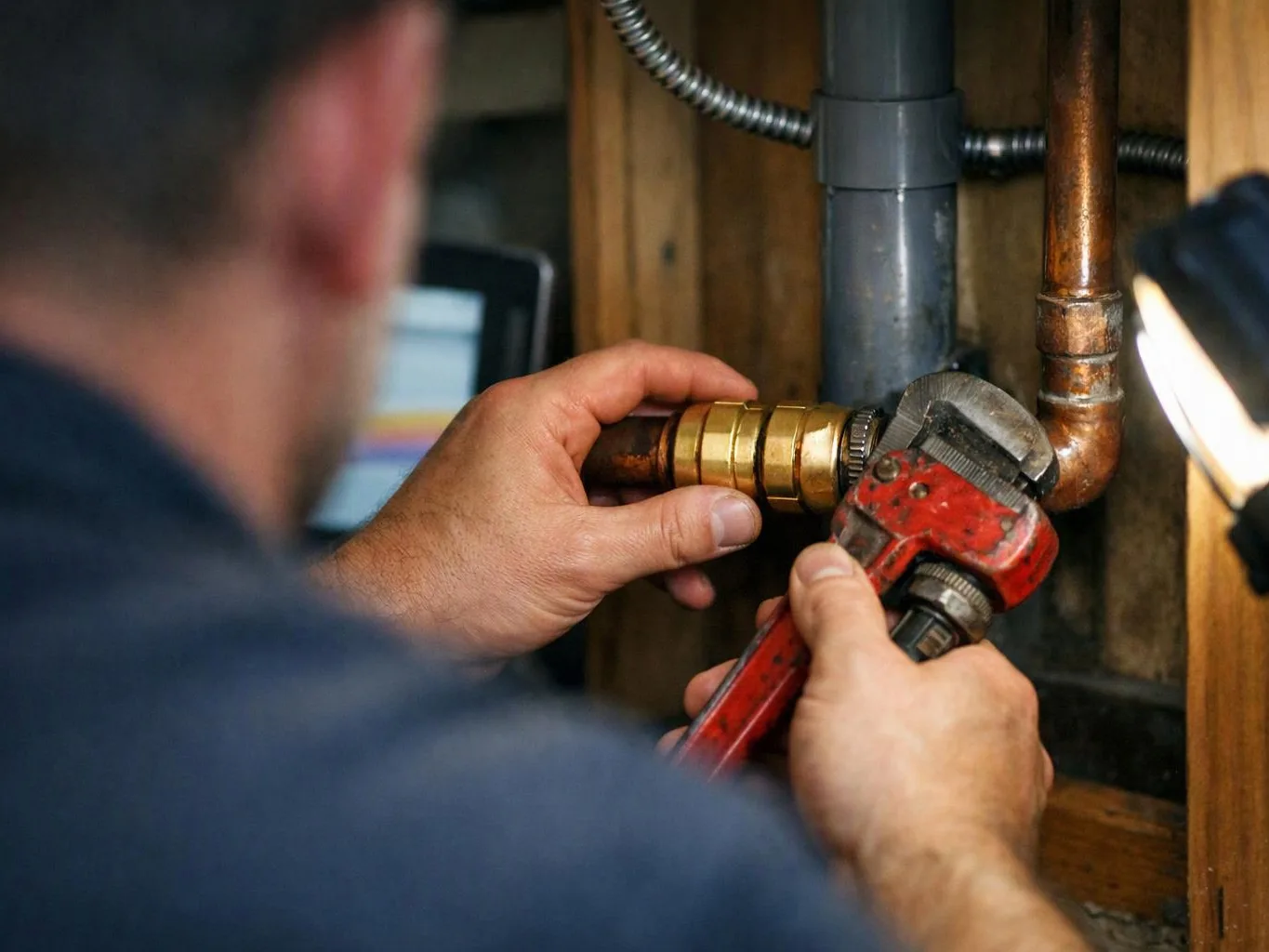
Local pipe repair is usually the better choice when inspection shows one defined failure and the surrounding pipes remain serviceable.
Our crew may recommend the pipe leak repair service when the damage is limited and repair access is practical.
Why Homeowners Choose Pipe Repair
Pipe repair keeps the work focused on localized plumbing damage and the affected area.
Best for: homeowners with one confirmed failure and a plumbing system that otherwise performs well.
When Does Repiping Make More Sense?
Repiping makes more sense when inspection finds repeated failures or widespread pipe deterioration across the plumbing system.
Multiple leaks can show that the aging pipe network is failing in more than one place. Widespread corrosion may also make repeated spot repairs a poor long-term plan.
Low water pressure can come from several causes, including restricted or deteriorated supply pipes. Our team checks the pressure and pipe condition before discussing whole-house repiping.
Why Homeowners Choose Repiping
Repiping replaces a broader portion of the plumbing system when repeated repairs no longer address the main problem.
Best for: homeowners facing recurring leaks, widespread corrosion, or an aging pipe network.
How We Decide Between a Repair and Repiping
We choose between repair and repiping by checking the leak location, pipe condition, failure pattern, and access required.
Our leak detection process helps identify visible and hidden water loss. We then complete a visual plumbing inspection and review the pipe material, pipe location, and damage pattern.
Water pressure can add useful context, but pressure changes do not prove that repiping is needed. Our team also checks repair access around walls, floors, fixture connections, and shutoff valves.
What Changes the Cost of This Plumbing Project?
The cost depends on the pipe material, affected area, access, connections, and restoration work; we review those factors before preparing a quote.
A local repair may involve one damaged pipe section, while repiping can involve many supply pipes and fixture connections. Wall access, floor access, labor scope, and the work needed to restore opened areas also affect the project.
Our quote should explain the recommended scope, pipe material, affected sections, access plan, fixture connections, and restoration needs. Request a quote through our contact page so we can review the plumbing condition and project needs.
What Happens During Leak Detection and Pipe Evaluation?
Leak detection and pipe evaluation show where water is escaping and whether the damage appears localized or widespread.
You should avoid opening walls or changing plumbing connections when the leak source is unclear. Our team can assess the system and explain the safest repair path.
Which Plumbing Warning Signs Should You Act On?
Recurring leaks, damp areas, unexplained water use, and pressure changes can signal a larger pipe problem.
Water stains and damp walls may show a hidden pipe leak. A mold smell can point to ongoing moisture that needs inspection.
Unexplained water use, low water pressure, recurring leaks, and discolored water also deserve attention. One symptom may have several causes, so our team checks the pipe condition before recommending repair or replacement.
How Can You Plan the Right Next Step in Auburn, Washington?
PlumbingAuburnwa.com can inspect the affected plumbing in Auburn, Washington, explain whether repair or repiping fits, and provide a project quote.
Start with pipe leak repair when the issue appears isolated and accessible. Ask for a repiping assessment when leaks recur, corrosion is widespread, or the plumbing system shows several related warning signs.
Our team can connect the inspection findings to the project scope, access needs, pipe material, and restoration work. That gives you a clearer basis for choosing the next plumbing step.
Questions About Pipe Repair and Repiping
Can one leaking pipe lead to a repiping recommendation?
Yes, one leaking pipe can lead to a repiping recommendation when inspection finds widespread corrosion, poor pipe condition, or a pattern of nearby failures.
Does repiping solve low water pressure?
Repiping can solve low water pressure when restricted or deteriorated supply pipes cause the pressure problem. Our team checks other possible causes before recommending replacement.
Can hidden pipe damage be detected before opening a wall?
Often, hidden pipe damage can be assessed before opening a wall by reviewing moisture signs, leak location, pressure changes, and accessible plumbing. Our team explains when further access is needed.
What should a pipe repair or repiping quote include?
A pipe repair or repiping quote should describe the affected sections, pipe material, access needs, fixture connections, labor scope, and restoration work.